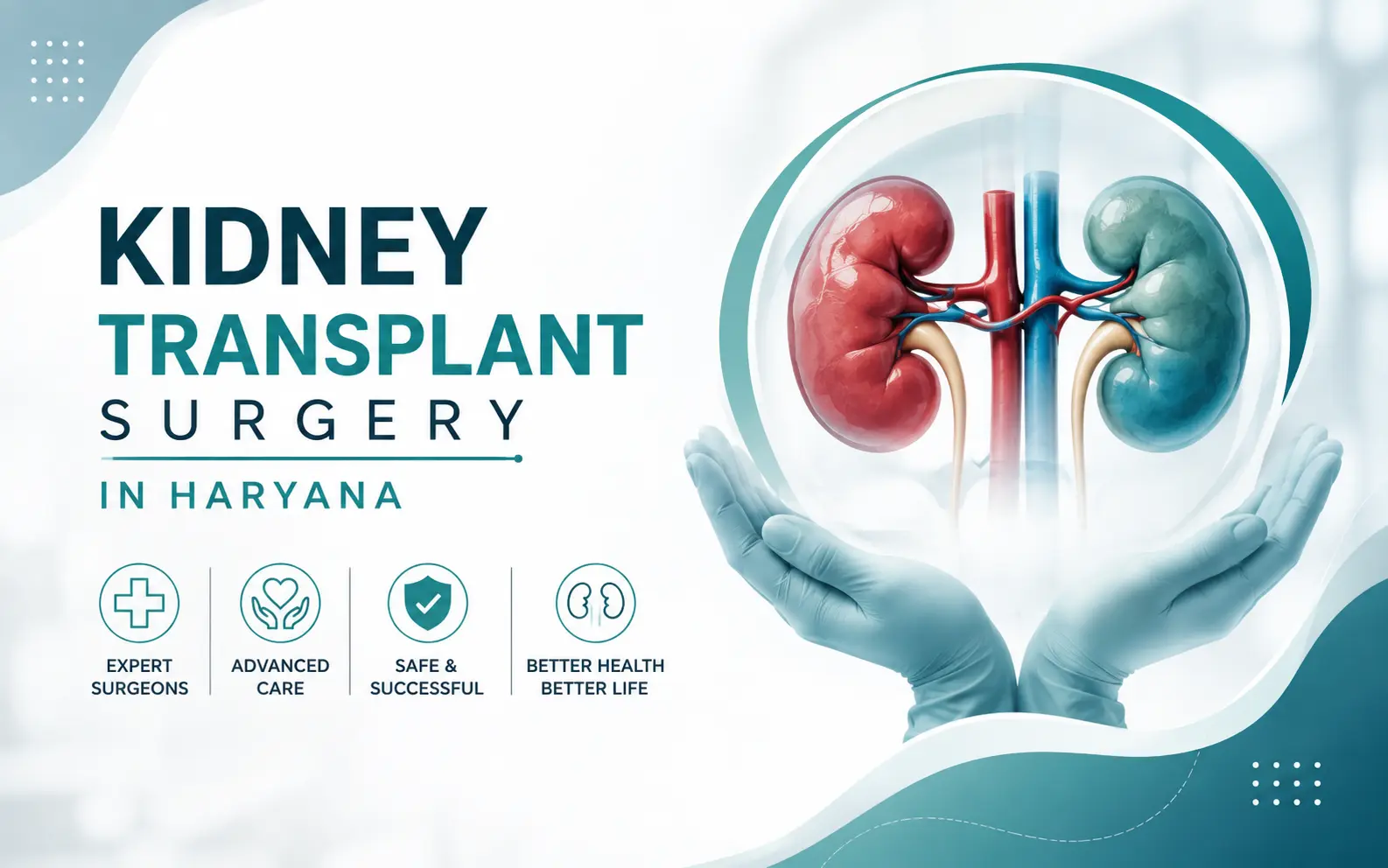
When Does the Kidney Need a Transplant? Kidney Transplant Surgery in Haryana
Hearing the words "your kidneys are failing" is frightening, but it doesn't have to feel like the end of the road. For many patients, a kidney transplant offers a genuine chance to return to a normal, active life, free from the constant demands of dialysis. If you or a loved one is facing kidney failure, understanding when a transplant is actually needed, and what the process involves, can make the path ahead feel far less overwhelming.
What Do the Kidneys Actually Do?
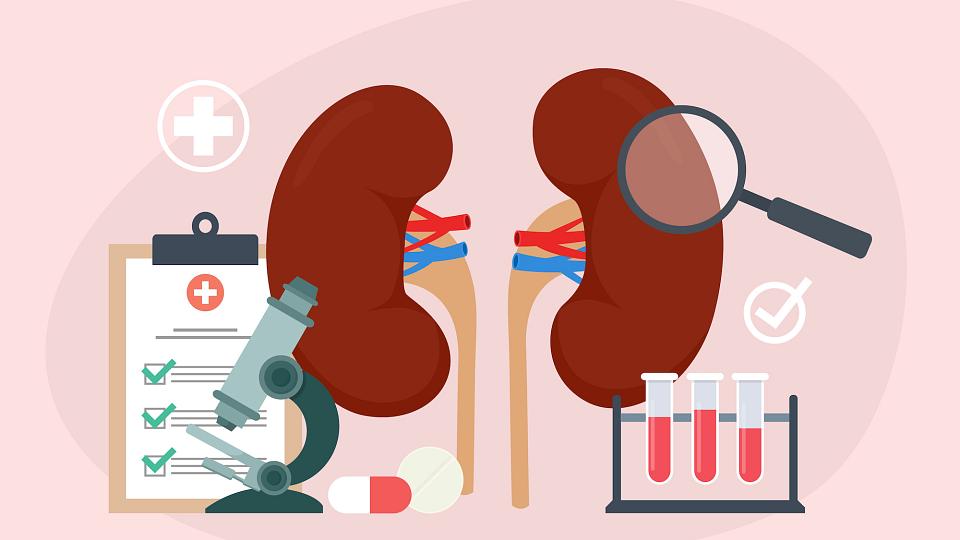
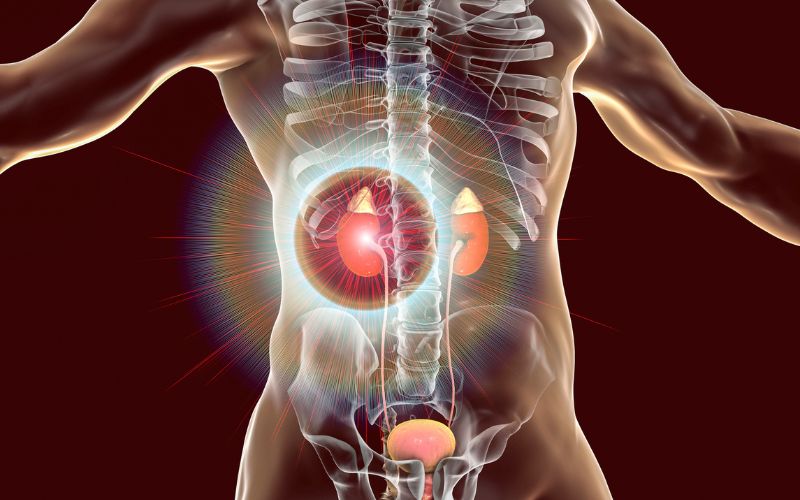
Your kidneys are two bean-shaped organs that filter waste and extra fluid out of your blood, balance electrolytes, help control blood pressure, and produce hormones your body needs. When they stop working properly, waste products build up in the blood, and the body can no longer regulate itself the way it should.
What Causes Kidney Damage?
Kidney damage rarely happens overnight. It's usually the result of one or more underlying conditions that gradually wear down kidney function over months or years. The most common causes include:
-
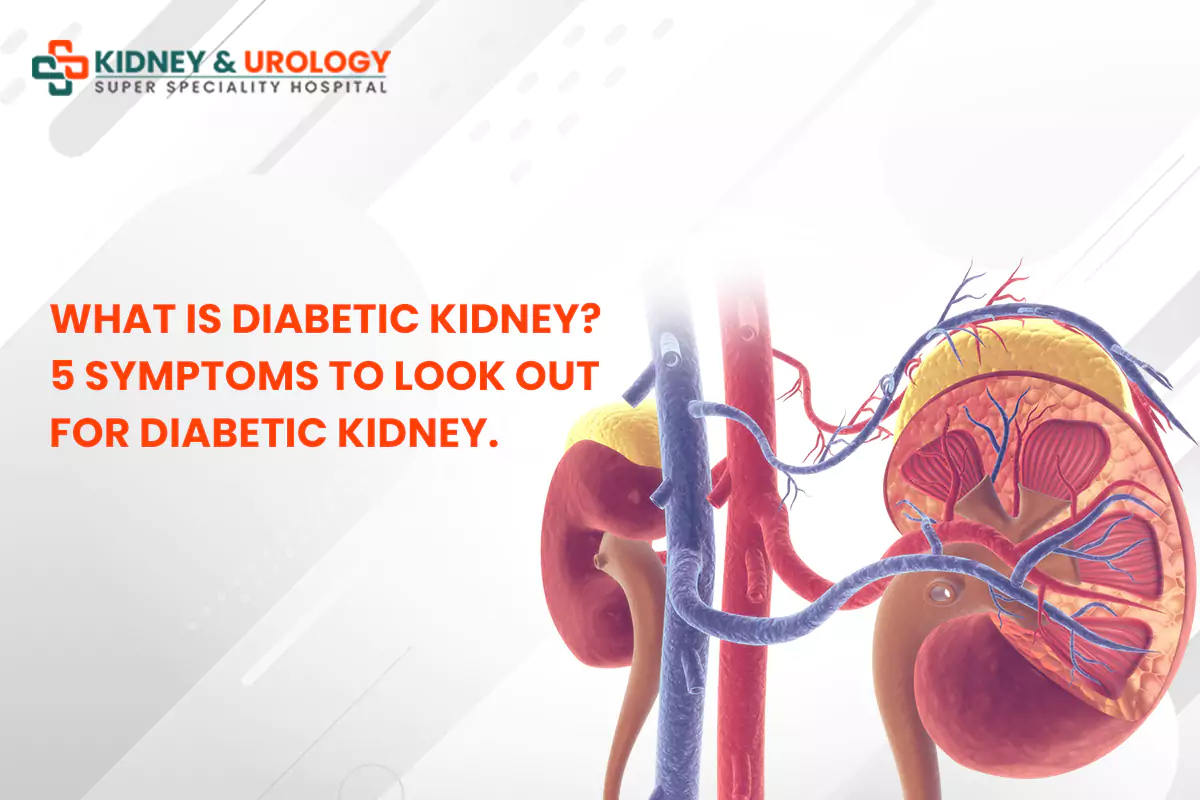
Diabetes: Consistently high blood sugar damages the tiny blood vessels in the kidneys over time, making it the leading cause of kidney failure worldwide.
-
High blood pressure: Uncontrolled hypertension puts continuous strain on the kidneys' filtering units, gradually reducing their ability to function.
-
Chronic glomerulonephritis: Long-term inflammation of the kidney's filtering structures.
-
Polycystic kidney disease: An inherited condition that causes fluid-filled cysts to form in the kidneys, progressively damaging healthy tissue.
-
Autoimmune diseases: Conditions like lupus can cause the immune system to attack kidney tissue.
-
Recurrent urinary tract infections and obstructions: Repeated infections or blockages can cause lasting kidney scarring if left untreated.
-
Long-term use of certain medications: Overuse of some painkillers and other nephrotoxic drugs can contribute to kidney damage over time.
Can Kidney Stones Damage the Kidneys?
This is one of the most common questions patients ask, and the answer is: usually not seriously, but it depends on the situation. Most kidney stones pass through the urinary system without causing lasting harm. However, if a stone becomes lodged and blocks the flow of urine, pressure can build up inside the kidney, leading to swelling, infection, and in some cases, genuine tissue damage. Large stones, stones that go untreated for a long time, or recurrent stone formation can meaningfully increase a person's long-term risk of reduced kidney function. This is exactly why persistent or recurring kidney stones should never be ignored, they're often manageable with timely treatment, but neglect can turn a treatable problem into a serious one.
When Does a Kidney Actually Need a Transplant?
A transplant becomes necessary when the kidneys reach end-stage renal disease (ESRD), meaning they've lost most of their ability to function, generally when kidney function drops to around 10 to 15 percent of normal capacity or below. At this stage, the two treatment options are dialysis or transplantation. While dialysis can keep a patient stable, it requires frequent sessions and doesn't fully replace everything healthy kidneys do. A working transplanted kidney does a noticeably better job of filtering waste and restoring a more normal quality of life.
Doctors generally recommend transplant evaluation when a patient has:
-
Confirmed end-stage kidney disease or rapidly declining kidney function
-
Ongoing dialysis dependence with a stable overall health profile
-
No active infections, cancer, or conditions that would make surgery unsafe
-
A suitable living donor, or eligibility to join the deceased-donor waiting list
Not everyone with kidney failure is automatically eligible. Each patient goes through a thorough medical evaluation to confirm they're healthy enough to safely undergo transplant surgery and manage the medications required afterward.
The Kidney Transplant Procedure in Haryana: Step by Step
-
Evaluation and matching: Blood tests confirm blood group compatibility, tissue typing, and cross-matching between donor and recipient to minimise the risk of rejection.
-
Donor selection: The kidney can come from a living donor (often a close relative) or a deceased donor through the organ-sharing network. Living donor transplants generally offer shorter waiting times and better long-term outcomes.
-
Pre-surgery preparation: Both donor and recipient undergo detailed medical fitness checks, imaging, and counselling.
-
The surgery itself: Performed under general anaesthesia, the transplant usually takes around two to four hours. The new kidney is placed in the lower abdomen and connected to nearby blood vessels and the bladder. In most cases, the patient's own damaged kidneys are left in place unless they're causing infection or pain.
-
Immediate recovery: Doctors monitor urine output and blood tests closely in the days after surgery to confirm the new kidney is functioning well. Most patients stay in hospital for about one to two weeks.
-
Long-term care: Lifelong immunosuppressive medication is required to prevent the body from rejecting the new kidney, along with regular follow-up visits with a nephrologist.
Why Choose SS Kidney & Urology Hospital, Rewari
SS Kidney & Urology Hospital is a 50-bed, NABH-recognised super-speciality hospital in Model Town, Rewari, founded by Dr. Sucheta Yadav (DM Nephrology) and Dr. Sharad Chauhan (MCh Urology), both trained at leading centres. The hospital offers dedicated dialysis facilities, kidney biopsy, living related kidney transplant services, and structured post-transplant care, giving patients across Haryana access to specialised nephrology and urology care without needing to travel to Delhi or Gurugram.
Kidney failure is serious, but it isn't the end of options. Understanding what damages the kidneys, recognising when a transplant becomes necessary, and knowing what the surgery and recovery actually involve can make an overwhelming diagnosis feel far more manageable. If you or a family member has been advised to consider a kidney transplant, SS Kidney & Urology Hospital in Rewari offers experienced, compassionate nephrology and transplant care close to home.
FAQs
When does a kidney actually need a transplant?
A transplant becomes necessary when the kidneys reach end-stage renal disease, generally when kidney function drops to around 10 to 15 percent of normal capacity or below and dialysis alone is no longer sufficient.
What are the most common causes of kidney damage?
The most common causes include diabetes, high blood pressure, chronic glomerulonephritis, polycystic kidney disease, autoimmune diseases such as lupus, recurrent urinary tract infections or obstructions, and long-term use of certain nephrotoxic medications.
Can kidney stones cause permanent kidney damage?
Most kidney stones pass without lasting harm, but a stone that blocks urine flow can cause swelling, infection, and tissue damage. Large stones, untreated stones, or recurrent stone formation can increase the long-term risk of reduced kidney function.
Who is eligible for a kidney transplant?
Doctors generally recommend transplant evaluation for patients with confirmed end-stage kidney disease, ongoing dialysis dependence with a stable health profile, no active infections or cancer, and a suitable living donor or eligibility for the deceased-donor waiting list.
How long does kidney transplant surgery take?
The transplant surgery is performed under general anaesthesia and usually takes around two to four hours. The new kidney is placed in the lower abdomen and connected to nearby blood vessels and the bladder.
What is the recovery like after a kidney transplant?
Doctors closely monitor urine output and blood tests in the days following surgery, and most patients stay in hospital for about one to two weeks. Lifelong immunosuppressive medication and regular nephrologist follow-up are required afterward.
Is a living donor better than a deceased donor for kidney transplant?
Living donor transplants, often from a close relative, generally offer shorter waiting times and better long-term outcomes compared to deceased-donor transplants through the organ-sharing network.





Request A Callback