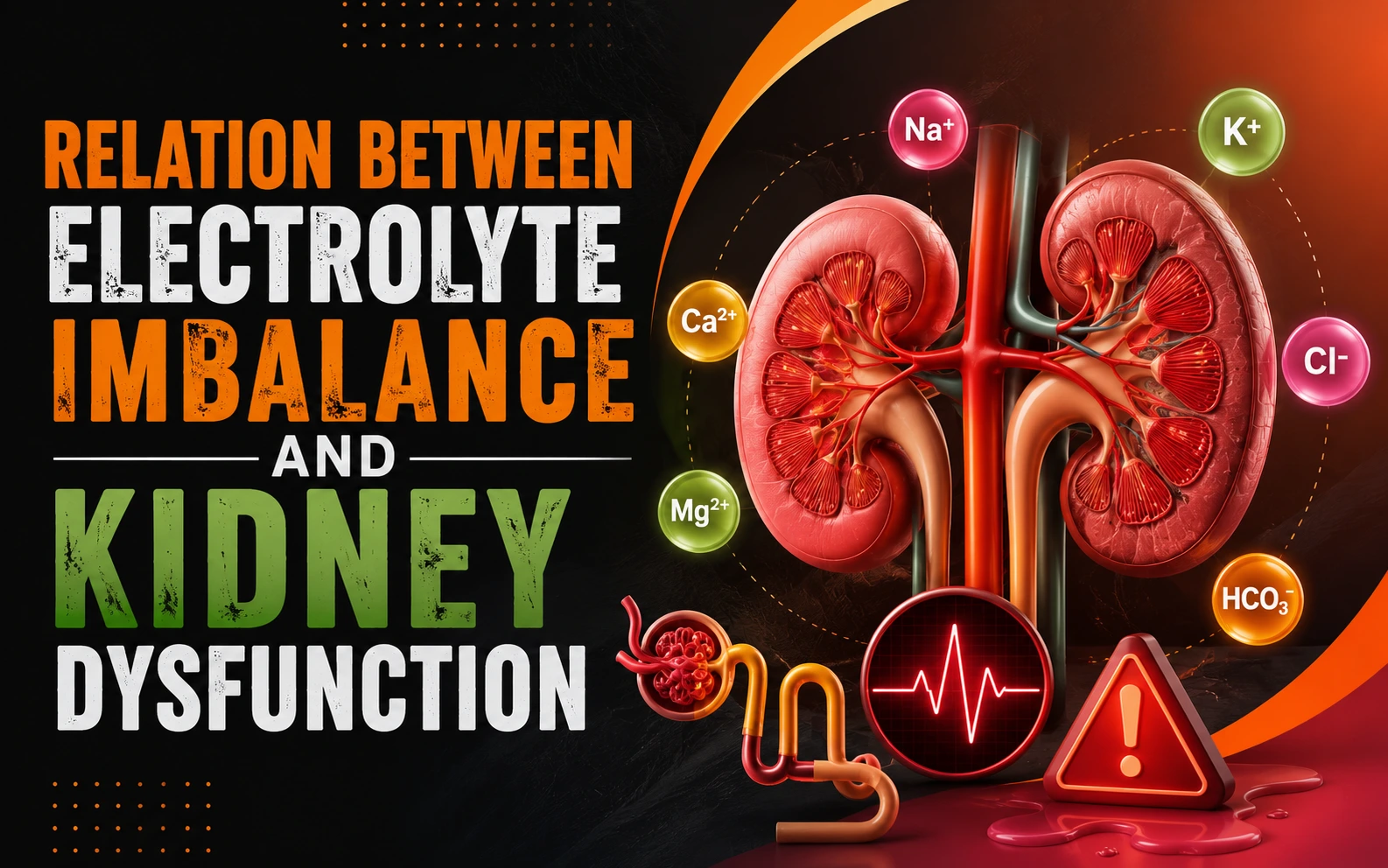
Relation Between Electrolyte Imbalance and Kidney Dysfunction
The kidneys filter approximately 180 litres of fluid every day and play a vital role in maintaining the body's electrolyte balance. They regulate essential minerals such as sodium, potassium, calcium, magnesium, and phosphate while removing excess fluids and waste products. When kidney function declines, this delicate balance can be disrupted, leading to electrolyte abnormalities that affect multiple organs.
Electrolyte imbalance and kidney dysfunction share a closely connected relationship. Kidney diseases such as chronic kidney disease (CKD) and acute kidney failure can impair the body's ability to regulate electrolytes, resulting in complications such as fluid retention, muscle weakness, abnormal heart rhythms, and neurological symptoms. At the same time, severe electrolyte disturbances can place additional stress on the kidneys and contribute to worsening kidney function.
Because both conditions often develop gradually, early symptoms may go unnoticed. Understanding the connection between electrolyte imbalance and kidney dysfunction can help individuals recognise warning signs, seek timely medical attention, and reduce the risk of serious complications.
This guide explains how the kidneys regulate electrolytes, the causes and symptoms of kidney dysfunction, the impact of electrolyte imbalance, and available treatment options, including when patients should consult a nephrologist in Haryana for evaluation.
What Is Kidney Dysfunction?
Healthy kidneys continuously filter blood, remove waste products, regulate fluid levels, and maintain the balance of electrolytes needed for normal body function. Kidney dysfunction occurs when the kidneys lose part or all of their ability to perform these essential tasks effectively.
As kidney function declines, waste products and excess fluids can accumulate in the body. The kidneys may also struggle to regulate important electrolytes such as sodium, potassium, calcium, and phosphate, increasing the risk of electrolyte imbalance and related complications.
Kidney dysfunction can develop suddenly or gradually depending on the underlying cause.
Relation Between Electrolyte Imbalance and Kidney Dysfunction
The kidneys regulate at least six major electrolytes in the body, making them one of the most important organs for maintaining fluid and mineral balance. When kidney function declines, electrolyte levels can become abnormal. At the same time, severe electrolyte disturbances can place additional stress on the kidneys and contribute to worsening kidney function.
This creates a two-way relationship in which kidney dysfunction and electrolyte imbalance often influence each other.
How Kidney Dysfunction Causes Electrolyte Imbalance
Healthy kidneys continuously remove excess electrolytes while retaining the amounts needed for normal body function. When kidney function becomes impaired, this regulatory process is disrupted. As a result, patients may develop the following abnormalities, which become more common as kidney disease progresses:
| Kidney Dysfunction Effect | Resulting Electrolyte Problem |
|---|---|
| Reduced potassium excretion | Hyperkalemia (high potassium) |
| Impaired sodium regulation | Hyponatremia or hypernatremia |
| Reduced phosphate clearance | Elevated phosphate levels |
| Altered calcium metabolism | Low calcium levels |
| Acid retention | Acid-base imbalance |
How Electrolyte Imbalance Can Worsen Kidney Function
Electrolyte disturbances are not simply a consequence of kidney disease. Severe imbalances can also affect kidney health. Examples include:
-
Severe dehydration causing reduced blood flow to the kidneys
-
Excess sodium contributing to fluid overload and high blood pressure
-
Elevated potassium increasing the risk of cardiac complications
-
Persistent acid-base abnormalities affecting overall organ function
If these disturbances remain untreated, they may place additional strain on already vulnerable kidneys.
The Impact on the Entire Body
Electrolyte imbalances caused by kidney dysfunction can affect multiple organ systems simultaneously. Potential complications include:
-
Irregular heartbeat
-
Muscle weakness
-
Muscle cramps
-
Fatigue
-
Fluid retention
-
Swelling
-
Confusion
-
Elevated blood pressure
In advanced cases, severe electrolyte abnormalities can become life-threatening and require urgent medical treatment.
Kidney Dysfunction Causes
Diabetes and high blood pressure are among the leading causes of kidney dysfunction worldwide. Over time, these conditions can damage the delicate blood vessels within the kidneys, reducing their ability to filter waste products and regulate electrolyte balance effectively.
Kidney dysfunction may develop gradually, as seen in chronic kidney disease, or suddenly in cases of acute kidney injury. Identifying the underlying cause is essential because early treatment can help preserve kidney function and reduce the risk of electrolyte abnormalities.
Common Causes of Kidney Dysfunction
| Cause | How It Affects the Kidneys |
|---|---|
| Diabetes | Damages kidney blood vessels and filtration units |
| High Blood Pressure | Increases pressure on kidney tissues and blood vessels |
| Kidney Infections | Can cause inflammation and scarring |
| Urinary Tract Obstruction | Blocks urine flow and increases pressure within the kidneys |
| Certain Medications | May cause kidney injury or affect kidney function |
| Autoimmune Disorders | Can attack kidney tissues and impair filtration |
| Severe Dehydration | Reduces blood flow to the kidneys |
| Recurrent Kidney Stones | May contribute to obstruction and kidney damage |
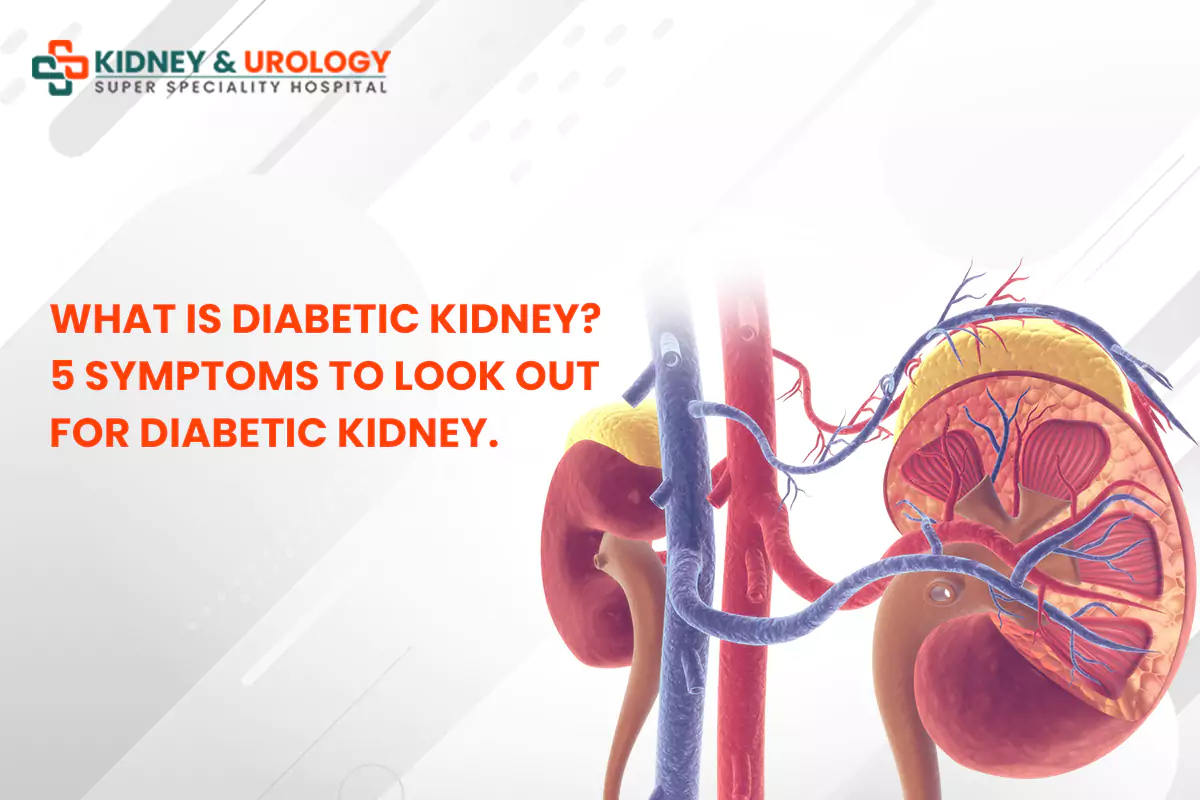
Diabetes and Kidney Disease
Diabetes is one of the most common causes of chronic kidney disease. Persistently high blood sugar levels can damage the tiny blood vessels responsible for filtering waste products from the blood. Over time, this may lead to:
-
Reduced kidney function
-
Protein leakage in the urine
-
Fluid retention
-
Electrolyte imbalance
High Blood Pressure
Uncontrolled hypertension places excessive stress on blood vessels throughout the body, including those within the kidneys. As kidney function declines, blood pressure may become even more difficult to control, creating a cycle that can accelerate kidney damage.
Acute Kidney Injury Causes
Acute kidney failure can develop rapidly due to:
-
Severe dehydration
-
Major infections
-
Blood loss
-
Certain medications
-
Reduced blood supply to the kidneys
Because acute kidney injury can occur within hours to days, electrolyte disturbances often develop quickly and may require urgent treatment.
Autoimmune and Inflammatory Conditions
Certain autoimmune diseases can cause the immune system to attack kidney tissues directly. Examples include:
-
Lupus nephritis
-
Vasculitis
-
Glomerulonephritis
These conditions can impair kidney filtration and contribute to electrolyte abnormalities if left untreated.
Conclusion
Kidney dysfunction and electrolyte imbalance are closely connected conditions that can significantly affect overall health. Because the kidneys play a critical role in maintaining electrolyte balance, any decline in kidney function can lead to serious complications involving the heart, muscles, nerves, and fluid regulation. Early diagnosis, regular monitoring, and timely treatment are essential for protecting kidney health and preventing long-term complications.
If you are experiencing symptoms of kidney dysfunction, recurrent electrolyte imbalances, or have been diagnosed with chronic kidney disease, timely specialist care is important. At SS Kidney and Urology Hospital, our experienced nephrologists provide comprehensive kidney evaluations, advanced diagnostic testing, electrolyte monitoring, and personalised treatment plans to help manage kidney disorders effectively and preserve long-term kidney health.
Book a consultation today for expert kidney care and specialised treatment tailored to your needs.
FAQs
What is the link between electrolyte imbalance and kidney dysfunction?
The kidneys regulate electrolytes such as sodium, potassium, calcium, and phosphate. When kidney function declines, this regulation is disrupted, causing electrolyte imbalance. In turn, severe electrolyte disturbances can place additional stress on the kidneys, creating a two-way relationship between the two conditions.
Which electrolytes are most affected by kidney dysfunction?
Sodium, potassium, calcium, and phosphate are the electrolytes most commonly affected. Kidney dysfunction can lead to high potassium (hyperkalemia), abnormal sodium levels, elevated phosphate, and low calcium, especially as kidney disease progresses.
Can electrolyte imbalance be reversed if caught early?
Many electrolyte imbalances can be managed or corrected with timely treatment, dietary adjustments, and monitoring, especially when the underlying kidney dysfunction is identified and addressed early.
What symptoms suggest an electrolyte imbalance from kidney problems?
Symptoms may include muscle cramps, weakness, fatigue, irregular heartbeat, swelling, confusion, and elevated blood pressure. These symptoms often develop gradually and can overlap with general kidney disease symptoms.
Is diabetes a major cause of electrolyte imbalance and kidney dysfunction?
Yes. Diabetes is one of the leading causes of chronic kidney disease. Persistently high blood sugar can damage kidney blood vessels, reducing filtration ability and increasing the risk of electrolyte imbalance over time.
When should I see a nephrologist in Haryana for electrolyte concerns?
Consult a nephrologist in Haryana if you experience persistent muscle cramps, irregular heartbeat, unexplained swelling, fatigue, or have a known kidney condition along with these symptoms, as these may indicate worsening electrolyte imbalance and kidney dysfunction.
How is electrolyte imbalance diagnosed in kidney patients?
Doctors typically use blood tests to measure sodium, potassium, calcium, and phosphate levels, along with kidney function tests such as creatinine and eGFR, to assess the extent of kidney dysfunction and electrolyte disturbance.








Request A Callback