Kidney Problems Risks in Young Age | Nephrology Specialist in Haryana Explains
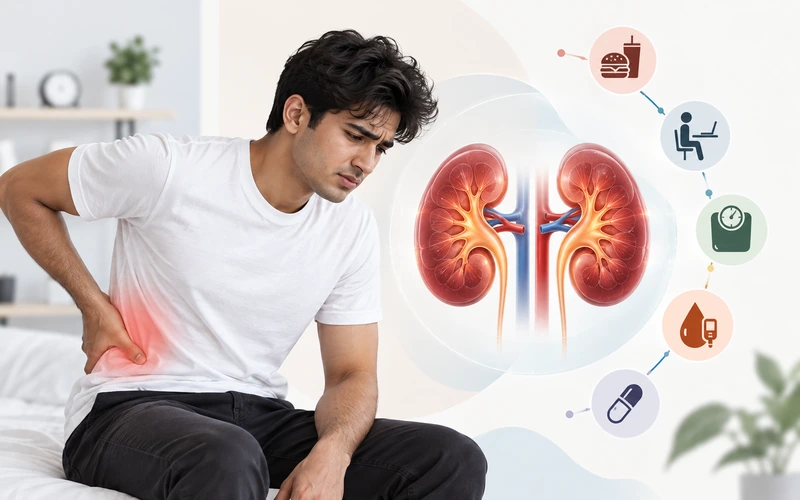
Kidney disease used to be framed as something that showed up after 50 or 60. That picture no longer holds. Nephrologists across Haryana are increasingly seeing men and women in their 20s and 30s, and even children, with kidney problems that would once have been considered unusual at their age. Understanding why this shift is happening, and what actually raises risk early in life, is the first step toward catching it before it becomes serious.
Indian research shows chronic kidney disease prevalence climbing from roughly 11% between 2011–2017 to over 16% between 2018–2023, and unlike in many Western countries, CKD in India tends to affect noticeably younger adults, largely driven by early-onset diabetes, hypertension, and lifestyle factors.
Why Are Kidney Problems Rising in Young People and Children?
Diabetes and high blood pressure together now account for 40 to 60% of chronic kidney disease cases in India, and both conditions are being diagnosed at increasingly younger ages. Add in rising obesity, sedentary routines, high-salt and processed diets, and widespread self-medication with painkillers, and the kidneys are absorbing more daily strain earlier in life than they were a generation ago.
Kidney Problems in Young Men
In young men, kidney stones and early-stage kidney damage are frequently linked to chronic dehydration from physically demanding jobs or intense gym routines, combined with high-protein diets and unsupervised protein or performance supplements. Regular use of over-the-counter painkillers for gym-related pain, along with heavy alcohol use and smoking, adds further strain that often goes unnoticed until a routine test flags it.
Kidney Problems in Young Women
In young women, recurrent, undertreated urinary tract infections that spread upward to the kidneys are a common and preventable cause of kidney damage. Pregnancy-related conditions such as preeclampsia, along with PCOS-linked insulin resistance and diabetes risk, add further vulnerability. Habitually holding urine for long stretches during work or travel also increases infection risk over time.
Shared Risks in Young Men and Women
Beyond the differences above, several risk factors affect both sexes equally:
| Shared Risk Factor | Why It Matters |
|---|---|
| Diabetes and hypertension | Leading causes of CKD in India, accounting for 40–60% of cases |
| Obesity and sedentary lifestyle | Contributes to metabolic strain that damages kidney function over time |
| Overuse of painkillers | Certain common pain relievers can directly damage kidney tissue with prolonged use |
| Family history of kidney disease | Raises baseline risk regardless of current lifestyle or symptoms |
| Chronic dehydration | Reduces the kidneys' ability to filter waste efficiently over time |
Risks of Kidney Problems in Kids
In children, kidney risk looks different again. Congenital abnormalities of the kidney and urinary tract are a leading cause of paediatric kidney disease, often identified only when a child develops recurrent, hard-to-explain UTIs or fails to grow as expected. Dehydration from inadequate water intake, a diet increasingly built around packaged snacks and sugary drinks, and rising childhood obesity all add avoidable strain on kidneys that are still developing.
Which Early Tests Can Catch Kidney Disease Before It Progresses?
A simple urine test for the albumin-to-creatinine ratio can detect protein leakage — often the earliest sign of kidney damage — well before symptoms appear. A blood test for serum creatinine, used to calculate the estimated glomerular filtration rate, or eGFR, shows how efficiently your kidneys are filtering waste. Routine blood pressure checks and a kidney ultrasound (KUB) round out a basic screening panel that can be done in a single visit.
eGFR, or estimated glomerular filtration rate, is a calculated measure of how much blood your kidneys filter per minute, and it's the single most widely used indicator of overall kidney function.
Steps to Support Kidney Health and Natural Detoxification
Your kidneys already filter your blood continuously — there's no product or shortcut that does this job better than your own body when it's properly supported. The habits that genuinely protect kidney function include:
-
Staying well hydrated with plain water throughout the day
-
Keeping daily salt intake in check
-
Avoiding unnecessary or prolonged painkiller use
-
Managing blood sugar and blood pressure consistently
-
Avoiding unprescribed herbal or protein supplements
-
Getting regular checkups if you have any risk factors
When to See a Nephrologist in Haryana
Book a consultation if you notice any of the following:
-
Persistent swelling in the legs or face
-
Foamy or blood-tinged urine
-
Unexplained fatigue
-
A family history of kidney disease
-
Existing diabetes or high blood pressure that hasn't been checked against kidney function recently
-
Children with recurrent UTIs or unexplained growth concerns should be evaluated by a paediatric nephrologist promptly
Conclusion
Kidney problems in young people and children rarely come from one single cause — they build up from a combination of undiagnosed conditions, everyday habits, and risk factors that often go unnoticed until a routine test catches them. The reassuring part is that most of these risks are modifiable, and early screening genuinely changes outcomes.
SS Kidney & Urology Hospital was founded by Dr. Sucheta Yadav, DM Nephrology, and Dr. Sharad Chauhan, MCh Urology, after years of training at institutions including AIIMS New Delhi, Fortis Memorial Research Institute Gurugram, and IKDRC Ahmedabad. What began as a 10-bed facility in 2018 has grown into a 50-bed, NABH-accredited super-speciality hospital in Haryana offering dedicated nephrology services from chronic kidney disease management to paediatric nephrology and kidney transplant care, alongside a full urology department.
If you're concerned about your kidney health, or simply haven't had one checked in years, visit SS Kidney & Urology Hospital in Rewari, Haryana for thorough evaluation and specialized kidney care.







Request A Callback