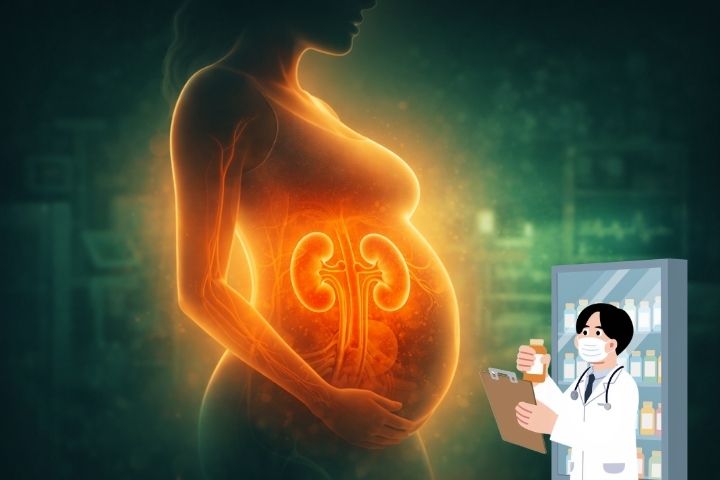
Kidney disease during pregnancy | Nephrology treatment in Haryana
1 in 750 pregnancies involve women with Stage 3–5 chronic kidney disease (CKD), according to peer-reviewed data . This number increases in referral nephrology centers managing high-risk pregnancies.
CKD during pregnancy increases the risk of preterm delivery, hypertension, and fetal growth restriction. Women with serum creatinine levels between 125–180 µmol/L face preterm delivery rates of nearly 60%, and those above 180 µmol/L exceed 90% risk.
In Haryana, rising rates of diabetes and hypertension increase CKD prevalence among reproductive-age women. Early identification, stage classification, and structured nephrology supervision are critical when managing kidney disease during pregnancy.
This article explains clinical risks, causes, symptoms, Stage 3 kidney disease implications, and when to consult a nephrology hospital in Haryana for chronic kidney disease treatment.
Kidney Disease During Pregnancy in Haryana & Clinical Risk
Stage 3–5 chronic kidney disease affects approximately 1 in 750 pregnancies, based on clinical data .
Chronic kidney disease is defined by reduced kidney function or structural kidney damage lasting more than 3 months. CKD staging depends on estimated glomerular filtration rate (eGFR). Stage 3 CKD includes an eGFR between 30–59 ml/min/1.73 m² .
Pregnancy increases renal blood flow by nearly 50%, which places additional physiological demand on already compromised kidneys . Women with pre-existing CKD face higher rates of hypertension, proteinuria, and progressive renal decline during gestation.
In Haryana, increasing prevalence of diabetes and chronic hypertension elevates CKD risk in women of reproductive age. Early nephrology evaluation and trimester-based renal monitoring reduce unrecognized disease progression during pregnancy.
Causes of Kidney Problems During Pregnancy in Haryana
Up to 20% of women who develop early preeclampsia before 30 weeks have previously unrecognized chronic kidney disease (CKD)
-
Pre-Existing Chronic Kidney Disease: Women diagnosed with CKD before conception carry forward reduced renal reserve into pregnancy. An eGFR below 60 ml/min/1.73 m² (Stage 3 or higher) increases the risk of worsening proteinuria and hypertension . In Haryana, diabetes and long-standing hypertension remain primary contributors to pre-existing CKD in reproductive-age women.
-
Hypertensive Disorders of Pregnancy: Blood pressure levels of ≥140/90 mm Hg after 20 weeks of gestation define gestational hypertension. Severe-range pressure of ≥160/110 mm Hg significantly increases renal stress. Persistent hypertension damages glomerular filtration and worsens kidney function.
-
Preeclampsia-Related Renal Injury: Proteinuria of >300 mg in 24 hours or a protein/creatinine ratio of ≥0.3 indicates renal involvement in preeclampsia . Severe preeclampsia can trigger acute kidney injury and accelerate CKD progression.
-
Diabetic Nephropathy: Elevated blood glucose over several years damages renal microvasculature. Women entering pregnancy with diabetic nephropathy face higher risks of declining eGFR during gestation.
-
Acute Kidney Injury During Pregnancy: Severe dehydration, sepsis, or obstetric hemorrhage can cause acute kidney injury. In some cases, incomplete recovery leads to chronic kidney impairment beyond 3 months, meeting CKD diagnostic criteria .
Symptoms of Kidney Disease During Pregnancy in Haryana
-
Persistent Proteinuria: A urine protein level of >300 mg per 24 hours, a protein/creatinine ratio of ≥0.3, or dipstick reading of 2+ indicates abnormal kidney filtration . Women with pre-existing CKD often show rising protein levels as pregnancy progresses.
-
Elevated Blood Pressure: Blood pressure of ≥140/90 mm Hg after 20 weeks suggests hypertensive disorder. Severe readings of ≥160/110 mm Hg require urgent evaluation . Sustained hypertension accelerates kidney damage.
-
Reduced Urine Output: Urine output below 500 mL in 24 hours may indicate declining renal function. Sudden reduction suggests acute kidney injury.
-
Swelling and Fluid Retention: Rapid weight gain exceeding 1–2 kg within one week combined with facial or hand swelling may reflect worsening protein loss and fluid imbalance.
-
Abnormal Kidney Function Tests: A rising serum creatinine above 125 µmol/L increases the risk of adverse pregnancy outcomes . Pregnant women in Haryana with any of these findings require structured nephrology assessment and serial monitoring.
Stage 3 Kidney Disease and Pregnancy Risk in Haryana
Women in this stage have moderate reduction in kidney function before conception. Pregnancy increases renal workload by nearly 50% due to higher plasma volume and filtration demand .
Risk of Preterm Delivery
Serum creatinine levels between 125–180 µmol/L are associated with approximately 60% preterm delivery rates . When creatinine exceeds 180 µmol/L, preterm delivery risk rises above 90% .
Risk of Kidney Function Decline
Women entering pregnancy with creatinine above 124 µmol/L face a higher probability of permanent renal deterioration postpartum . Stage 3 patients require trimester-based eGFR testing and strict blood pressure control.
Hypertension and Proteinuria Progression
Blood pressure above 140/90 mm Hg combined with rising proteinuria increases maternal complication risk . Pregnant women with Stage 3 CKD in Haryana should receive coordinated care from obstetric and nephrology teams with defined monitoring intervals.
How Kidney Problems Affect Pregnancy Outcomes in Haryana
Serum creatinine levels between 125–180 µmol/L are associated with nearly 60% preterm delivery rates . Preterm birth increases neonatal intensive care admission and low birth weight risk. When maternal creatinine exceeds 180 µmol/L, preterm delivery risk rises above 90% .
-
Increased Risk of Preeclampsia: Up to 20% of women with early-onset preeclampsia (≤30 weeks) have underlying chronic kidney disease. Severe preeclampsia includes blood pressure readings of ≥160/110 mm Hg, which increases maternal complication risk .
-
Fetal Growth Restriction: Reduced placental perfusion occurs more frequently in women with declining renal function. Elevated creatinine above 125 µmol/L correlates with higher fetal growth restriction risk.
-
Risk of Permanent Kidney Damage: Women entering pregnancy with creatinine above 124 µmol/L face higher likelihood of sustained renal deterioration after delivery. Pregnant women in Haryana with CKD require early trimester-based risk stratification and nephrology supervision to manage maternal and fetal outcomes.
Kidney disease during pregnancy requires trimester-based renal testing, strict blood pressure monitoring below 140/90 mm Hg, and proteinuria assessment above 300 mg per 24 hours.
SS Kidney Hospital in Haryana provides nephrology-led evaluation for women with reduced eGFR, rising creatinine, persistent proteinuria, or uncontrolled hypertension during pregnancy. The hospital coordinates obstetric and nephrology care for Stage 3 and higher CKD cases.
Women with creatinine levels approaching 180 µmol/L, severe hypertension ≥160/110 mm Hg, or progressive eGFR decline require immediate specialist supervision . Early nephrology treatment in Haryana enables structured monitoring, risk classification, and timely intervention for high-risk pregnancies complicated by chronic kidney disease.







Request A Callback