What is interstitial cystitis or painful bladder syndrome? The best urologist in Haryana explains
When you feel bladder pain without a clear infection, the experience can be confusing. You may visit doctors, take medicines, and still feel no relief. Over time, you start doubting your own symptoms. This is where many patients first hear about Painful Bladder Syndrome. It is also known as interstitial cystitis, a long-term bladder condition that affects daily comfort, sleep, and mental peace. In this article, you are guided step by step. You will understand what this condition means, why it happens, how it feels, and what treatment options exist today. Everything is explained to you in simple words so you can understand everything easily. Let’s begin!
How does your bladder work?
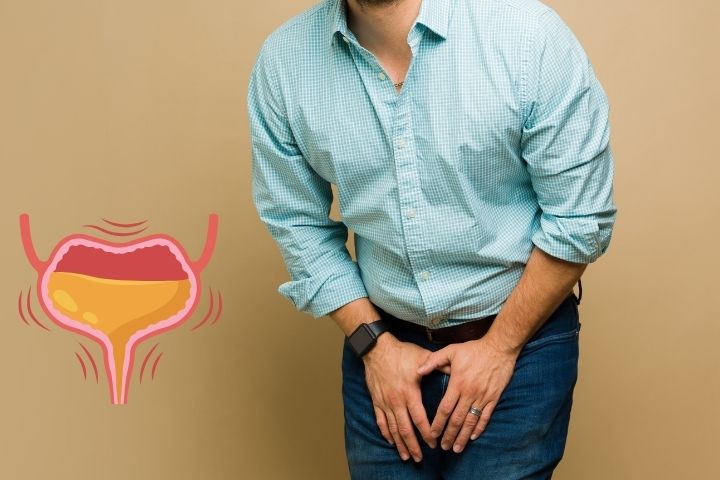
Your bladder stores urine until you are ready to pass it. A healthy bladder expands and contracts smoothly. You feel the urge only when it is reasonably full. In painful bladder conditions, this normal process changes. Your bladder becomes sensitive. Even a small amount of urine can trigger pain or pressure. The bladder wall may become irritated without infection or stones. This irritation is what doctors refer to as interstitial cystitis.
What Is Interstitial Cystitis?
Interstitial cystitis is a chronic bladder disorder. You feel pain, pressure, or discomfort in the bladder area. Tests often show no infection. Antibiotics do not help much. The pain may last for months or even years.
Doctors still study why it happens. Some believe the bladder lining becomes weak. Others think nerves become overactive. In some patients, immune reactions may play a role. The condition affects both men and women, though women report it more often.
If you search for interstitial cystitis in hindi, you may see it described as “मूत्राशय में लंबे समय तक रहने वाला दर्द,” which clearly reflects its persistent nature.
Signs & Symptoms of Interstitial Cystitis
No two people feel it the same way. Still, certain patterns appear again and again.
-
A constant urge to pass urine, even after going
-
Pain that increases as the bladder fills
-
Relief after urinating, but only for a short time
-
Discomfort during sitting or walking
-
Pain during intimacy
-
Burning feeling without bacteria
-
Pressure in the lower abdomen
-
Waking up many times at night to urinate
-
Sensitivity to certain foods like coffee or spicy meals
-
Pain that spreads to the lower back or pelvis
-
Avoid trigger foods
-
Maintain regular bladder habits
-
Reduce caffeine and acidic drinks
-
Practice stress control
-
Tracking symptom triggers.
-
Planning restroom access during travelCommunicating openly with family
Living with bladder pain can feel exhausting. But you are not alone and you are not imagining your symptoms. With expert guidance symptom control is possible. If you seek compassionate and advanced care, consider consulting the specialists at SS Kidney and Urology Hospital. Early evaluation and personalized treatment can help you regain comfort and control over your daily life
Frequently Asked Questions.
Is interstitial cystitis the same as a urine infection?
No. Infections involve bacteria. This condition causes pain without infection. Antibiotics usually do not help.Can diet really affect bladder pain?
Yes. Certain foods irritate sensitive bladders. Avoiding triggers often reduces flare-ups.Does this condition damage the kidneys?
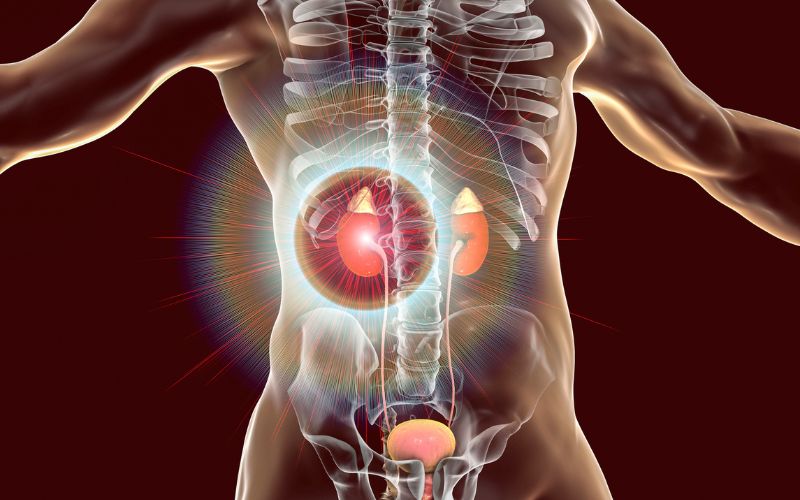
It mainly affects the bladder. With proper care, kidney damage is uncommon.Share Now
Doctors often group these signs as interstitial cystitis symptoms. When these signs continue for weeks without infection, further evaluation becomes important.
Some symptoms are subtle. You may ignore them or assume stress is the cause. Over time, they worsen.Common Symptoms of interstitial cystitis painful bladder syndrome include:
These symptoms may come and go. Flare-ups often happen during stress or illness.
Why Diagnosis of interstitial cystitis in Haryana takes time?
This condition does not show up clearly on routine urine tests. Ultrasound may appear normal. This leads to delays.
Your urologist diagnoses it by ruling out other causes. These include infections, stones, bladder cancer, or gynecological problems. Cystoscopy, bladder diaries, and symptom scoring help reach a conclusion.
This careful process ensures you are not treated blindly. It also prevents unnecessary medicines.
What Interstitial Cystitis Treatment at Urology Hospital in Haryana Are Available Today?
There is no one cure. But with the right plan, you can handle your symptoms well. How bad the symptoms are and how you live your life will affect how you get treated.
Lifestyle Changes
Small changes often reduce daily discomfort.
Interstitial Cystitis Treatment with Medicines
Interstitial Cystitis medicines eventually calm bladder nerve,improve bladder lining strengthand inflammation is reduced
Interstitial Cystitis Therapy Treatment in Haryana
If basic steps fail, advanced care may be suggested. This includes bladder instillation or nerve-based therapies. Patients seeking Interstitial Cystitis Treatment in Haryana now have access to such modern options through specialized centers.
Urology Specialist in Haryana
If pain lasts more than six weeks, you should consult a urologist. Early care prevents worsening symptoms. It also helps keep your mental health safe, which is something that often goes unnoticed. It's important to pick the right hospital. A well-known urology hospital in Haryana will have dealt with chronic bladder problems before. These kinds of centers are more interested in long-term symptom control than quick fixes.
Living with this problem, What is needed?
You may feel frustrated at times. Chronic pain affects mood and sleep. Support matters. You can manage daily life by:




Request A Callback