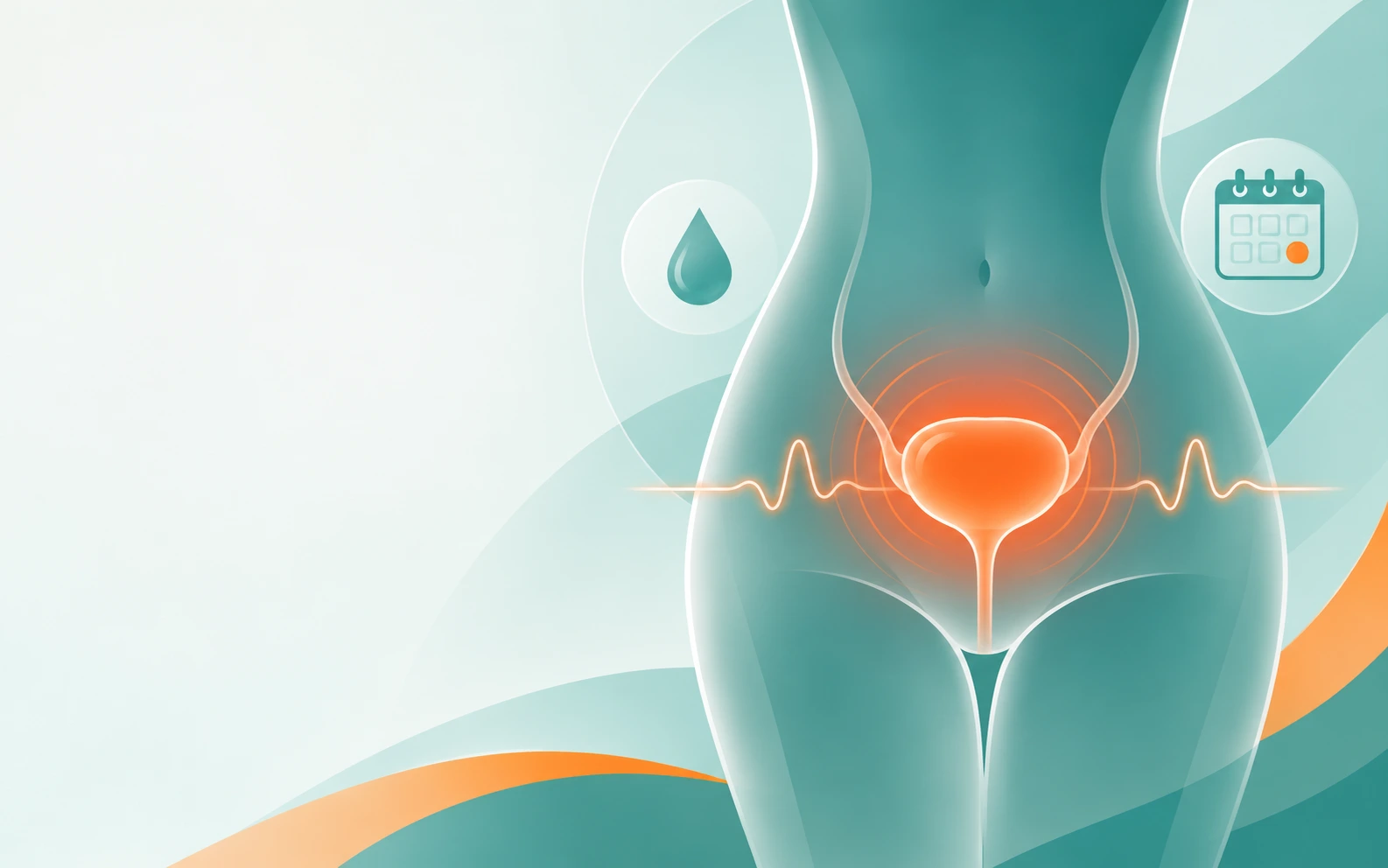
Interstitial Cystitis: Causes and Treatment in Haryana
In an Indian clinical series, 17 of 92 patients with interstitial cystitis reported continuous pelvic discomfort. Interstitial cystitis, also called painful bladder syndrome, can cause pain or pressure as the bladder fills. You may also feel a sudden urge to urinate or need to go more often than usual.
If bladder pain keeps returning, speak to a urologist in Haryana. During the visit, the urologist will ask when the pain starts, whether urinating eases it, and how often you need to go. A urine test can help check for infection before you discuss treatment options.
Interstitial Cystitis and Painful Bladder Syndrome
The American Urological Association defines interstitial cystitis as bladder-related pain, pressure or discomfort with urinary symptoms lasting more than six weeks. Clinicians use this definition when an infection or another identifiable condition cannot explain the symptoms.
If you feel pressure or burning in your lower abdomen, notice whether it changes as your bladder fills and empties. With interstitial cystitis, also called painful bladder syndrome, discomfort often builds as the bladder fills and eases after urination. Some people feel pressure or burning instead of sharp pain.
Interstitial Cystitis Causes and Flare Triggers
Coffee and citrus products are two possible flare triggers. If you suspect a food or drink worsens your symptoms, track what you consume and when symptoms flare. Discuss the pattern with your urologist, and test suspected triggers one at a time.
Researchers have yet to identify the exact cause of interstitial cystitis. One theory involves damage to the bladder's protective lining. Researchers are studying whether changes in this lining contribute to bladder irritation.
Interstitial Cystitis Symptoms in Men and Women
More than eight trips to the bathroom a day was the usual pattern among patients in one Indian clinical series. Both men and women with interstitial cystitis can experience sudden urinary urgency, wake at night to urinate, or feel pelvic discomfort during or after sex. If frequency and urgency are your main complaints without pelvic pain or pressure, it is worth ruling out other causes of frequent urination and urinary incontinence as well.
Interstitial Cystitis in Men
Tell your urologist if you feel pain during ejaculation or between the scrotum and anus. These symptoms can also occur with prostate-related conditions, which the urologist may check during the evaluation.
Interstitial Cystitis in Women
Tell your urologist if pelvic pain follows your menstrual cycle or occurs during sex. The timing can help guide an evaluation for conditions with overlapping symptoms, such as endometriosis.
How Urologists in Haryana Diagnose Persistent Bladder Pain
-
Review your symptoms and bladder diary: Keep a bladder diary for at least one day. Record when you urinate, how much urine you pass and when you feel pain or urgency. Your urologist will ask when the symptoms began and use the diary to see how often you pass small amounts of urine. It also gives you a baseline to compare with symptoms after treatment.
-
Check for tenderness and incomplete bladder emptying: Tell your urologist if you feel that your bladder stays full after you urinate. During an abdominal and pelvic examination, the urologist checks for tenderness and assesses whether your bladder empties fully. They also check for tender areas in the pelvic floor muscles that could contribute to your pain.
-
Test for urinary infection: Two common urine tests are urinalysis and urine culture. Urinalysis checks for signs such as blood or inflammation. A urine culture looks for bacteria. Your urologist may order a culture even when a dipstick test looks normal, because it can detect bacteria the dipstick missed.
-
Consider cystoscopy when the diagnosis is unclear: Tell your urologist if you have noticed blood in your urine, since hematuria needs its own evaluation. If the initial assessment leaves the cause unclear or the urologist suspects Hunner lesions, they may recommend cystoscopy to look directly at the bladder lining.
Interstitial Cystitis Treatment Options in Haryana
1. Flare Management and Bladder Training
Ask your urologist whether bladder training suits your symptoms. It involves gradually adjusting the time between bathroom visits to address urgency and frequent urination. If you notice flares after certain foods or drinks, bring your symptom diary so you can discuss which changes to try.
2. Pelvic Floor Physical Therapy
At three months, 59% of women who received myofascial physical therapy reported moderate or marked improvement, compared with 26% who received general massage. The trial included women with interstitial cystitis and pelvic floor tenderness. If your examination shows tenderness, a trained pelvic floor physiotherapist can use hands-on techniques to relax tight muscles. The AUA advises avoiding strengthening exercises such as Kegels in this setting.
3. Medicines for Bladder Pain
Discuss any pain relievers you already take before starting a new medicine. Your urologist may suggest a pain reliever for mild discomfort or discuss prescription options if symptoms persist. Ask which symptom the medicine targets and what side effects to watch for.
4. Bladder Procedures for Selected Patients
Ask what a proposed procedure involves and why it suits your symptoms or examination findings. Options include the following.
| Procedure | What It Involves |
|---|---|
| Bladder instillation | A clinician uses a thin tube called a catheter to deliver liquid medicine directly into the bladder. Some patients need several sessions. |
| Hydrodistention | A urologist fills the bladder with fluid under anaesthesia to gently stretch it. Some patients experience short-term relief from bladder pain. |
| Treatment for Hunner lesions | If cystoscopy reveals Hunner lesions, the urologist can treat them directly. One option is cauterisation, which uses heat to treat the affected areas of the bladder lining. |
Conclusion
If bladder pain, pressure or a frequent urge to urinate keeps interrupting your day or waking you at night, schedule a urology consultation. Interstitial cystitis, also called painful bladder syndrome, can cause symptoms that resemble a urinary tract infection. A urologist can review your symptoms, examine you and use urine tests to check for infection or other explanations before discussing treatment.
Bring any previous urine test reports and a list of medicines you've taken for your symptoms. Note whether your discomfort builds as your bladder fills or eases after you urinate. These details help your urologist decide whether you need further tests and which options to discuss, such as bladder habits, pelvic floor physical therapy or medication. You can also read more on the prevention and treatment of common urological conditions in Haryana.
SS Kidney and Urology Hospital provides urology care in Haryana, including evaluation and treatment for persistent bladder pain and interstitial cystitis. Contact Us to book a urology consultation.




Request A Callback